
Seven months into Visit Malaysia 2026 (VM2026), the Malaysia Budget & Business Hotel Association (MyBHA®) has issued a stark warning to the Government: tourist arrival figures alone do not equal success. Speaking at the Association’s Annual General Assembly in Melaka, MyBHA® National President Dr Sri Ganesh Michiel called for immediate regulatory intervention to close the widening gap between licensed hotels and unregulated accommodation providers.
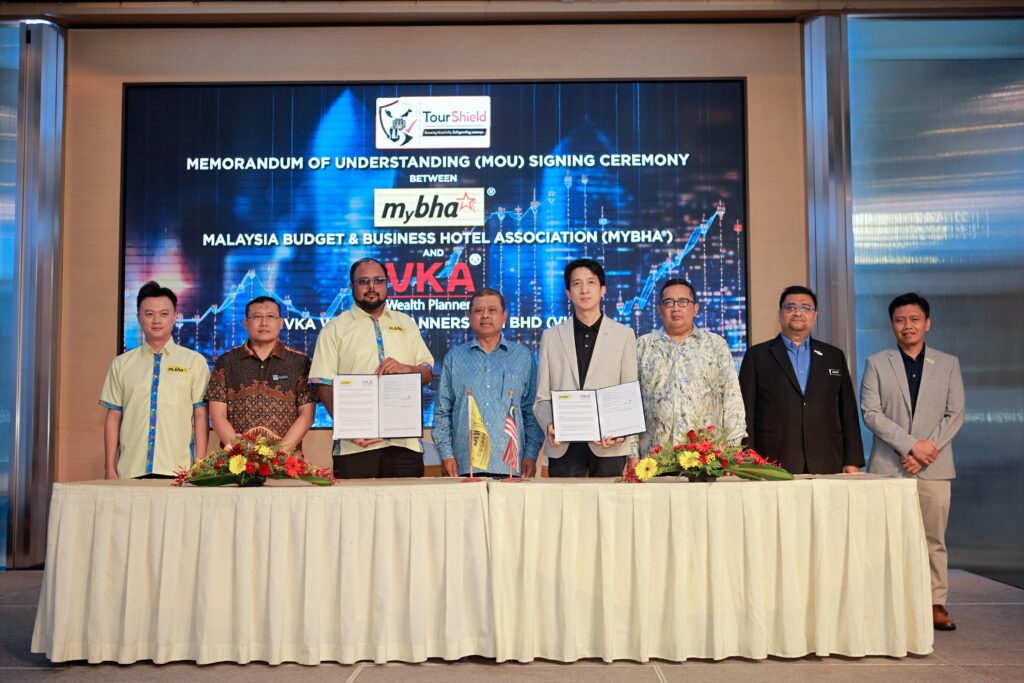
The Association used the platform to launch TourShield — a new industry initiative built around the message “Securing Hospitality. Safeguarding Journeys.” — aimed at elevating safety, security, and accountability across the hospitality and tourism ecosystem. The launch, however, was underscored by a pointed critique of the status quo.
“Visit Malaysia 2026 is an important campaign, but we must ask a harder question: are the economic benefits reaching the legitimate, licensed businesses that make our tourism industry sustainable?” said Dr Sri Ganesh. “Bringing tourists in is only half the equation. The other half is ensuring that where they stay, who earns from them, and whether those businesses operate within the law, are all properly accounted for.”
At the heart of MyBHA’s concerns is the prolonged regulatory limbo surrounding Short‑Term Rental Accommodation (STRA). While licensed hotels bear the full weight of compliance — including business licensing, fire safety, taxation, employment laws, and local authority requirements — STRA operators and other unregulated accommodation providers are effectively competing for the same tourists without the same obligations.
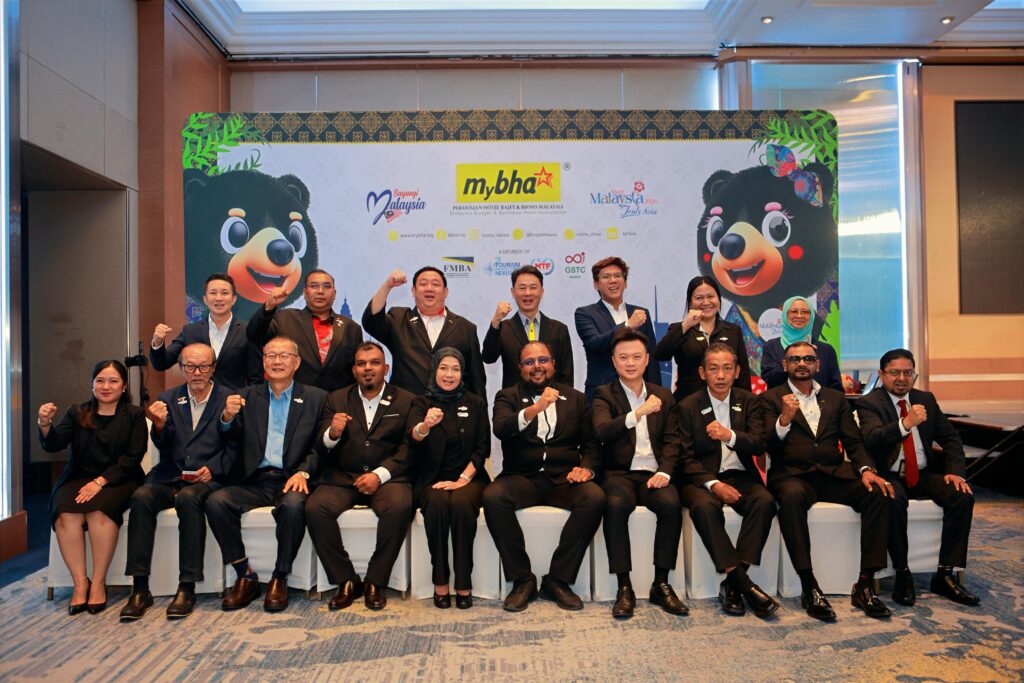
Dr Sri Ganesh emphasised that the Association is not opposed to innovation, digitalisation, or alternative accommodation models. “We welcome competition. But competition must be healthy — and healthy competition cannot exist when one operator carries the full cost of compliance while another is allowed into the same market without equivalent responsibilities.”
MyBHA® is now calling for a more integrated regulatory framework between Local Authorities (PBT) and the Ministry of Tourism, Arts and Culture (MOTAC). Specifically, the Association proposes that any accommodation premise seeking or renewing approval from a PBT should be required to show registration with MOTAC — and, where relevant, undergo the recognised tourism accommodation rating or classification process.
“The PBT and MOTAC cannot regulate the same ecosystem in isolation. We need better coordination, information sharing, and verification,” Dr Sri Ganesh said. “If you are earning revenue from tourists, you must be recognised within the tourism regulatory system — no exceptions.”
MyBHA® also sought an update on the long‑pending amendments to the Tourism Industry Act 1992 [Act 482], noting that MOTAC had previously targeted completion in the first quarter of 2026. “We are now in July. The industry deserves to know what the present status is, and whether the final legislation will provide the tools necessary to address the realities of today’s digital and alternative‑accommodation marketplace.”
The Association raised a particularly pointed question regarding Online Travel Agencies (OTAs) and digital booking platforms: “Why should an unlicensed accommodation business be allowed to appear on a booking portal at all? If a licence is required, there must be an effective mechanism to verify that licence before the property is listed and sold to tourists. Technology can verify payments, identities, and bookings within seconds — surely it can also verify whether an operator is legally licensed.”
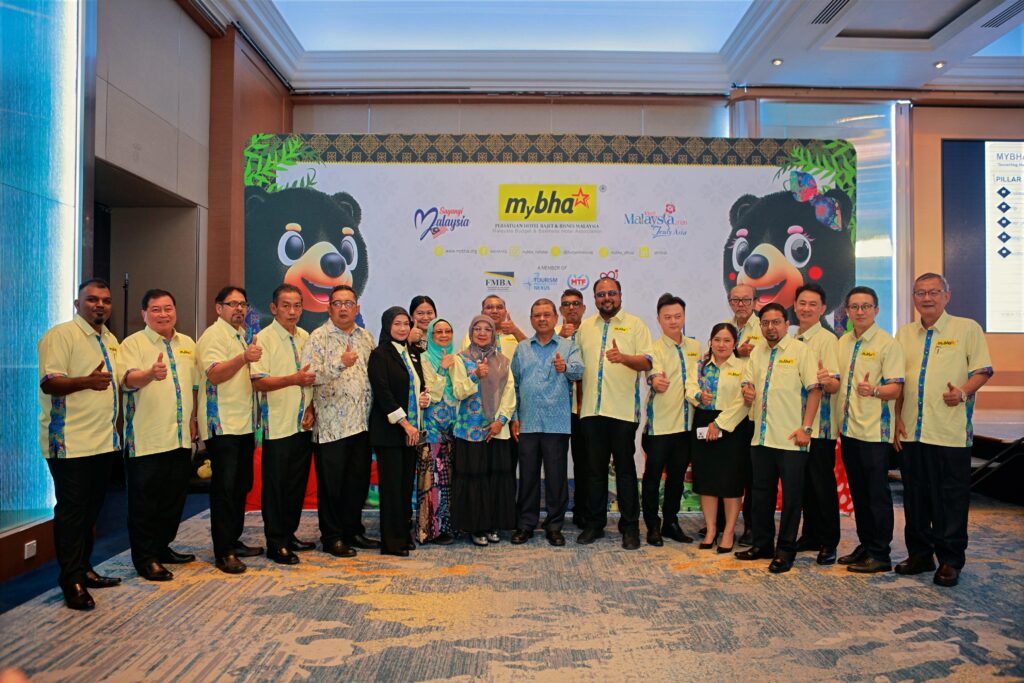
MyBHA® urged the Government and relevant agencies — including those responsible for tourism, housing, local government, consumer protection, and digital commerce — to take immediate, coordinated action in three key areas:
- A clear, public direction and timeline for STRA regulation — not another announcement that the matter is “being studied.”
- Stronger verification mechanisms to ensure that accommodation listed on digital platforms complies with licensing requirements.
- Greater accountability and coordination among all authorities overseeing tourism, housing, local government, and digital commerce.
“The industry has waited long enough,” Dr Sri Ganesh said. “We need a timeline, enforcement, and accountability. Success cannot simply mean millions of visitors. Success means legitimate employment, legal businesses, government revenue, investment, and stronger local communities. If we spend millions promoting Malaysia but fail to protect the businesses receiving those tourists, we are solving only half the equation.”
He underscored that sustainability must extend beyond environmental concerns to include business survival: “There is no sustainable tourism industry without sustainable tourism businesses. A hotel must first be economically sustainable in order to employ people, maintain safety, pay taxes, invest in technology, and improve services.”
Dr Sri Ganesh reiterated MyBHA’s commitment to working constructively with the Government, Tourism Malaysia, and industry stakeholders, but stressed that consultation must be meaningful: “Anyone developing a policy that affects hotels must first understand how a hotel actually operates. The industry should be consulted before major policies are finalised — not only after implementation, when businesses are already facing difficulties.”
“We want Visit Malaysia 2026 to succeed. But its success must be felt throughout the legitimate tourism economy. Promotion, regulation, and enforcement cannot operate separately.”