

Fifty years is a rare milestone for any multinational corporation operating in Southeast Asia, but for Amway Malaysia, the golden anniversary represents far more than mere corporate longevity. It is a testament to the company’s ability to evolve in lockstep with a nation’s changing demographics, health priorities, and economic aspirations. Since establishing its presence in Malaysia in 1976, Amway has navigated decades of transformation—from a household name in personal care and household products to a science-driven health and wellbeing authority—all while remaining deeply entrenched in the country’s direct selling fabric.
This year’s AM50 celebration is not merely a nostalgic look backward; it is a strategic signal of where the company is heading. As Malaysia confronts a confluence of health and economic challenges—an ageing population, the rising prevalence of non-communicable diseases (NCDs), widespread phytonutrient gaps, and persistent cost-of-living pressures—Amway is repositioning itself as a vital partner in both preventative healthcare and ethical entrepreneurship. The company’s message is clear: the next 50 years will be defined by empowering individuals to take ownership of their health while building financial resilience through sustainable business opportunities.
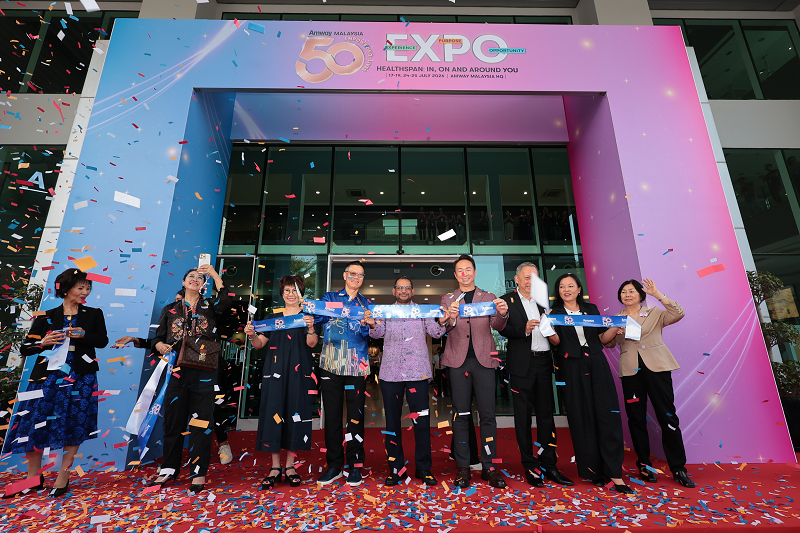
FCA= Founders Crown Ambassador
CA = Crown Ambassador
The Health Landscape: Responding to Malaysia’s Silent Crises
One cannot fully appreciate Amway’s strategic evolution without understanding the urgent health challenges facing Malaysia today. The nation is undergoing a significant demographic shift, with the United Nations projecting that Malaysia will become an ageing society by 2030. Concurrently, the National Health and Morbidity Survey has consistently highlighted alarming rates of obesity, diabetes, and hypertension among Malaysian adults. These non-communicable diseases are not merely clinical statistics; they represent a growing burden on the healthcare system, workplace productivity, and household finances.
Amway’s response to this landscape has been methodical and research-intensive. The company has invested heavily in science-backed innovation, culminating in products like Nutrilite AmCELL, a cellular health supplement developed over six years of dedicated research. What sets this product apart is its foundation in proprietary plant science expertise—a core competency that differentiates Amway from conventional supplement manufacturers. By targeting healthy ageing at a cellular level, Nutrilite AmCELL addresses a growing consumer demand for proactive, preventative health solutions rather than reactive treatments.
This focus on cellular health reflects a broader industry trend. Consumers are becoming increasingly sophisticated, seeking products that are not just effective but also scientifically validated. Amway’s continued investment in research and development demonstrates a commitment to meeting these elevated expectations while staying ahead of regulatory and competitive pressures. It is a strategy that positions the company not as a mere product distributor, but as a credible authority in the wellness space.
Entrepreneurship as Economic Resilience: The Numbers Behind the Mission
While health innovation captures headlines, the economic empowerment dimension of Amway’s business model remains equally critical—particularly in the current macroeconomic climate. Malaysia has experienced persistent inflationary pressures, rising living costs, and wage stagnation in certain sectors, prompting many households to seek supplementary income streams. This is where Amway’s value proposition becomes particularly compelling.
According to the Direct Selling Association of Malaysia (DSAM) Board Report 2025/26, Malaysia ranks fifth globally in the direct selling industry. This is not a peripheral sector; it is a significant contributor to the nation’s entrepreneurial ecosystem. Yet, the potential for growth remains substantial. An internal Amway Malaysia study found that approximately 10 million Malaysians are interested in growing their income or starting a business. This figure underscores a profound appetite for entrepreneurship as a pathway toward greater financial resilience.
Amway’s nationwide network, currently supported by over half a million Amway Business Owners (ABOs) and Amway Privileged Customers (APCs), serves as the engine for this economic empowerment. The company’s model offers low barriers to entry, flexible participation, and access to a portfolio of established, trusted products—factors that reduce the inherent risks associated with traditional business startups. In an era where gig economy platforms often offer limited security, Amway’s model provides a structured pathway to income generation while allowing individuals to maintain their existing employment or caregiving responsibilities.
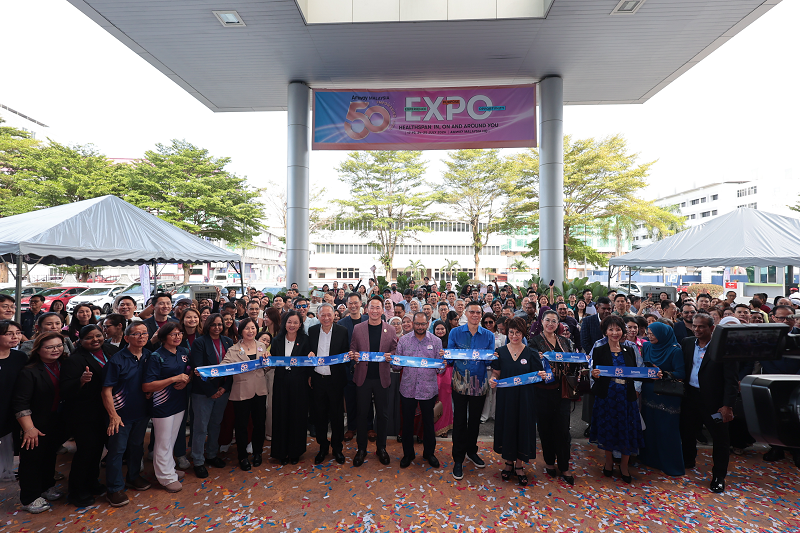
FCA= Founders Crown Ambassador
CA = Crown Ambassador
Collaboration and Credibility: Engaging with Government and Academia
A key takeaway from the AM50 celebration is the company’s deliberate effort to strengthen its institutional credibility through strategic partnerships. The AM50 Expo, which serves as a public platform showcasing Amway’s 50-year journey, was officiated by YBhg. Dato’ Rohaizi bin Bahari, Undersecretary of the Distributive Trade and Business Division at the Ministry of Domestic Trade and Cost of Living (KPDN). This is not a ceremonial gesture; it signals an alignment between Amway’s commercial objectives and the government’s broader policy goals of fostering responsible entrepreneurship and a trusted business ecosystem.
The celebration also featured a substantive forum titled “Empowering the Rakyat: Navigating Cost of Living Pressures Through Ethical Entrepreneurship.” This was not a self-congratulatory panel; it brought together representatives from KPDN, the Direct Selling Association of Malaysia (DSAM), Universiti Kebangsaan Malaysia (UKM), and Amway Malaysia itself. The diversity of participants—spanning government regulators, industry bodies, academics, and corporate leaders—allowed for a multi-dimensional exchange on the current economic landscape, financial resilience strategies, and the role of ethical entrepreneurship in creating sustainable income opportunities.
Such collaborations are strategically important for Amway. By engaging with academic institutions and regulatory bodies, the company reinforces its commitment to ethical business practices and regulatory compliance—matters of increasing importance in an industry sometimes plagued by misconceptions about direct selling models. Furthermore, these partnerships enable Amway to contribute to policy discussions, ensuring that the regulatory environment remains conducive to responsible entrepreneurship.
Beyond Commerce: Community Investment as a Strategic Imperative
Amway’s 50-year journey is also defined by its investment in community development, a dimension that often gets overshadowed by commercial metrics but holds significant strategic value. Programs such as Projek HeadSTART have provided mentorship, skills training, and educational opportunities for underprivileged youth—creating a pipeline of future entrepreneurs and consumers. The WOW Community Bazaar, organised in collaboration with the Department of Social Welfare (JKM), has supported underserved communities by providing platforms for micro-entrepreneurs to access markets.
More recently, the AM-Power Lives Drive-Thru brought together employees, ABOs, and the public to raise funds and essential supplies for marginalised children in Chow Kit. These initiatives are not peripheral corporate social responsibility (CSR) activities; they are integral to Amway’s brand positioning. In an era where consumers and regulators increasingly scrutinise corporate behaviour, demonstrating tangible community impact enhances trust and brand loyalty. It also reinforces the company’s narrative of “helping people live better lives” as a lived reality, not just a marketing tagline.
The Mission 50K Campaign: A Blueprint for Mass Engagement
Building on its anniversary momentum, Amway has launched Mission 50K, a nationwide initiative designed to encourage 50,000 Malaysians to begin their wellbeing journey. The campaign invites participants to make a personal pledge to prioritise their health and embrace positive, sustainable lifestyle changes. This is not a transactional promotion; it is a behaviour-change intervention with the potential to generate significant public health benefits.
From a business perspective, Mission 50K serves multiple strategic purposes. It expands Amway’s consumer base by introducing the brand to new demographics. It reinforces the company’s health-first positioning. And it creates a data-rich environment for understanding consumer behaviour, preferences, and barriers to adoption—insights that can inform future product development and marketing strategies. By encouraging individuals to take “small, consistent steps,” the campaign aligns with established behavioural science principles, making it more likely to drive lasting change than high-barrier, one-time interventions.
Looking Ahead: The Next 50 Years
As Amway Malaysia looks to the future, its strategic pillars are increasingly clear: research-driven health innovation, ethical entrepreneurship, institutional collaboration, and community investment. The company’s longevity is not accidental; it reflects a disciplined approach to understanding and responding to market realities while remaining anchored in its core purpose.
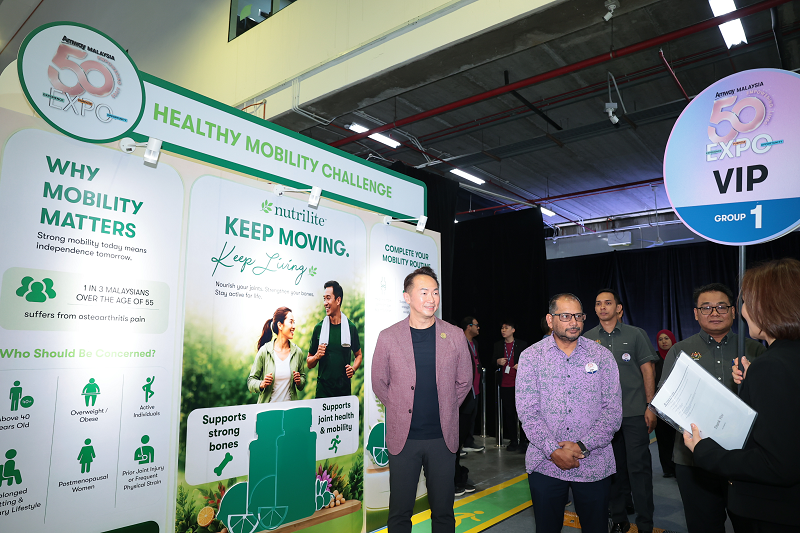
Jason Leng, Managing Director, Amway Malaysia, Singapore & Brunei, YBhg. Dato’ Rohaizi bin Bahari, Undersecretary, Distributive Trade and Business Division, Ministry of Domestic Trade and Cost of Living (KPDN)
Managing Director Jason Leng encapsulated this vision succinctly: “As Malaysians’ needs continue to change, we will continue to find new ways to create value, whether through our health and wellbeing solutions, initiatives that encourage healthier habits, or by strengthening the communities we serve.”
The coming years will likely see Amway deepen its investment in digital transformation, personalised wellness solutions, and more granular engagement with its ABO network. The company’s ability to navigate regulatory complexities, consumer scepticism, and competitive pressures will determine whether the next 50 years are as successful as the first. However, if the strategic clarity demonstrated at the AM50 celebration is any indication, Amway Malaysia appears well-positioned to remain a significant player in the country’s health and entrepreneurship ecosystems.
For businesses, policymakers, and consumers alike, Amway’s five-decade journey offers valuable insights into the intersection of commercial success, public health, and economic empowerment. It is a story of adaptation without losing sight of core values—a lesson that resonates far beyond the direct selling industry.
For more information about Amway Malaysia’s AM50 campaign, visit www.amway.my